
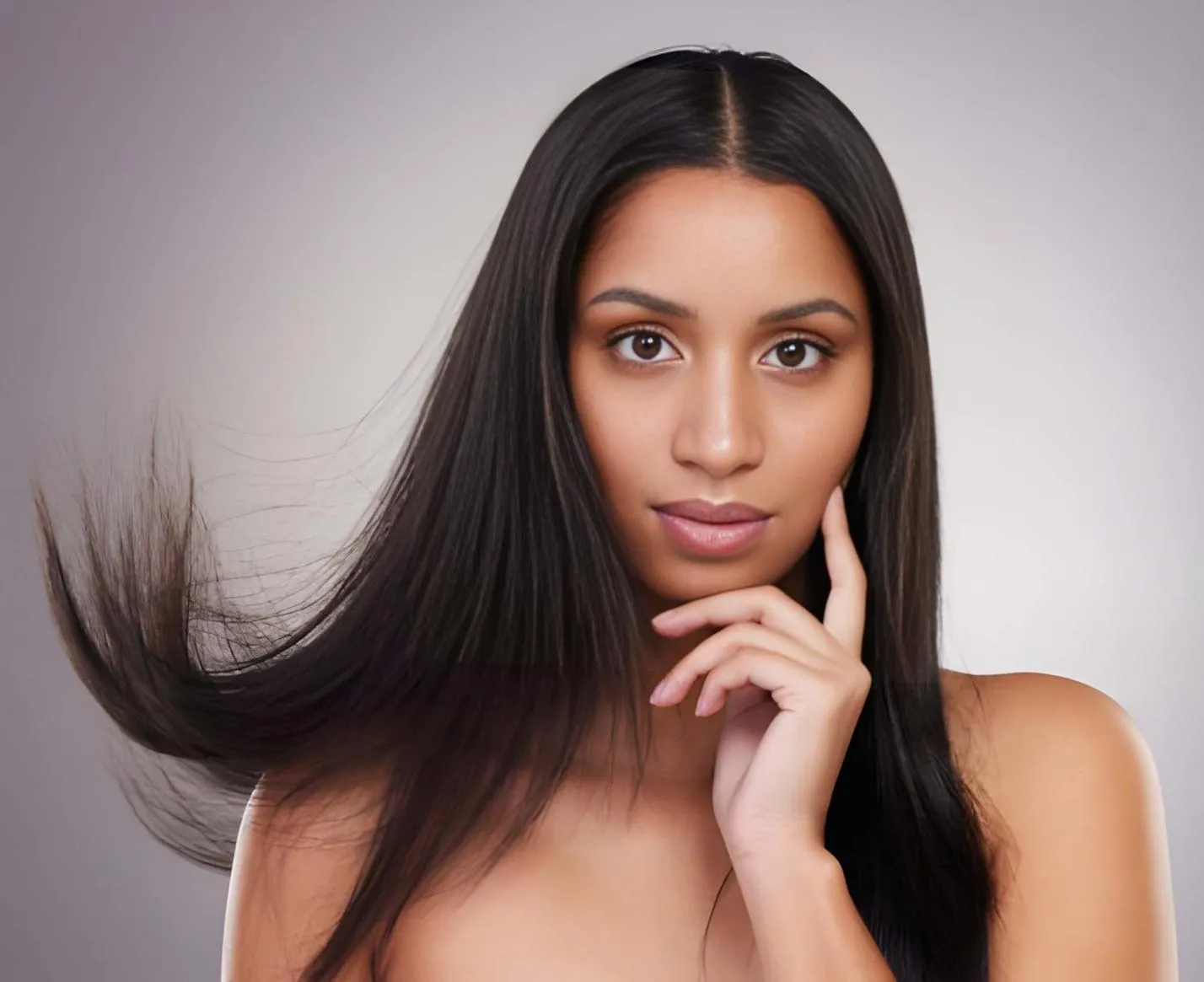
Extensions can be a great styling option, but scalp comfort should come before a flawless finish. When hair has been chemically relaxed, flat-ironed often, or already feels fragile around the edges, added tension can turn a beauty choice into a hair-health problem. Dermatologists warn that repeated pulling from tight styles, weaves, and extensions can contribute to traction alopecia, a form of hair loss caused by ongoing tension, and that the risk can be higher when extensions are installed on relaxed hair. :contentReference[oaicite:0]{index=0}
Why tension matters more than many people realize
Textured and natural hair often needs thoughtful handling because it can be strong in some ways yet still vulnerable where the hairline, nape, or crown are concerned. That is why Relaxed Straight Extensions should never be viewed as just a style decision. The real question before installing is whether your scalp, roots, and existing strands can handle the weight and tension of the method you choose. According to the American Academy of Dermatology, hairstyles and extensions that pull on the hair can lead to traction alopecia over time, and relaxed hair is specifically called out as a situation that deserves extra care. :contentReference[oaicite:1]{index=1}
What makes traction-related damage tricky is that it often starts small. A style may look sleek and polished while your scalp is quietly telling a different story through tenderness, bumps, or an aching feeling near the hairline. If that tension continues week after week, the follicles can become inflamed and the thinning may stop being temporary. That is why “it looks good” should never be the only measure of whether an install was done well. :contentReference[oaicite:2]{index=2}
Who should be extra careful before booking an install
If your hair has been recently relaxed, color-treated, heat-styled frequently, or is already shedding more than usual, it is smart to pause and assess before adding extra weight. Hair that feels thin at the temples, weak at the crown, or noticeably shorter around the perimeter may already be under stress. In those cases, even a beautiful install can push the scalp beyond what it can comfortably tolerate. Dermatology guidance consistently points to repeated pulling as a preventable cause of hair loss, especially when tension becomes part of your regular routine. :contentReference[oaicite:3]{index=3}
For people with textured or natural hair who want styling flexibility without long-term sewing or bonding, Relaxed Straight Hair Clip Ins may sometimes feel like a lower-commitment option, but even temporary methods can become harmful if they are clipped into the same fragile areas every day or used to create constant tension. A lighter method is not automatically a safe method if it still pulls at the exact spots that are already vulnerable. :contentReference[oaicite:4]{index=4}
Warning signs that your install is too tight
Your scalp usually gives early signals when an install is not sitting correctly. The most common red flags include:
-
pain, soreness, or a headache soon after styling
-
bumps, redness, itching, or irritation around the roots
-
short broken hairs around the front or sides
-
shiny, overly stretched skin around the hairline
-
a style that feels worse when you try to sleep or move your scalp
These signs should not be brushed off as normal “tightness.” The AAD advises that if a hairstyle hurts or gives you a headache, it is too tight and should be loosened. DermNet also lists itching, redness, scaling, pustules, short broken hairs, and thinning among traction alopecia features. In plain terms, discomfort is not the price of a good install; it is often a warning. :contentReference[oaicite:5]{index=5}
If you notice these symptoms, act quickly instead of trying to “give it a few days.” The earlier tension is reduced, the better the chance of preventing lasting damage. Waiting too long can turn minor irritation into breakage, thinning edges, or more stubborn loss that takes much longer to recover from. :contentReference[oaicite:6]{index=6}
Healthier install habits that protect your scalp
The goal is not to avoid extensions forever. It is to install them in a way that respects your scalp. Choose a stylist who understands density, spacing, and tension, especially if your hair has been relaxed or already feels delicate. Pay attention during the appointment. If something feels sharp, overly tight, or instantly uncomfortable, say so right away. Dermatologists specifically recommend seeing a professional and asking for the style to be loosened if there is pain. :contentReference[oaicite:7]{index=7}
It also helps to rotate styles, give your scalp breaks between installs, avoid repeatedly stressing the same sections, and stop chasing an ultra-snatched finish that your roots have to suffer for. If you already see thinning, burning, bumps, or persistent scalp sensitivity, that is a good time to skip the install and speak with a board-certified dermatologist. Protecting your edges and follicles now is far better than trying to reverse preventable damage later.